






Determining BINs and Their Significance in 2026 with Non VBV BIN Checker
Non VBV BIN Checker. The authentication procedure for digital payments has improved with the switch from 3DS1 to 3DS2 (3D Secure 2.0). In earlier systems, “Frictionless Authentication” took the place of manual routing (Verified by Visa).
An extra step, like an SMS or an OTP, is not necessary for Bank Identification Numbers (BINs) that do not fit into the “Non-VBV” category. In general, these fall into the following categories:
TRENDING NOW;Non VBV BIN Security in 2026 — What Merchants &
Disclaimer, All information posted and displayed on this website is for educational purposes only.

Understanding the Role of a Non-VBV BIN Checker
In online payment processing, understanding how credit and debit cards are routed and authenticated is vital for security, transaction speed, and fraud prevention. At the center of this process is the BIN (Bank Identification Number)—the first 6 to 8 digits of a payment card. A Non-VBV BIN Checker is an analytical lookup tool used by payment processors, risk analysts, and merchants to check whether a specific card issuer requires 3D Secure (3DS) authentication, specifically Verified by Visa (VBV), during checkout.
While standard BIN lookup tools reveal basic attributes like the issuing bank, card brand, card level (Classic, Gold, Platinum), and country of origin, a Non-VBV BIN checker specifically identifies whether transactions involving that BIN bypass secondary interactive verification steps—such as One-Time Passwords (OTPs) or mobile app approvals.
How Non-VBV BIN Lookups Function
Every card issuer configures its own risk parameters and support for global security standards. When a 16-digit card number is processed, its leading digits point back to a central BIN database. A Non-VBV BIN Checker cross-references these digits against recorded banking configurations.
YOU MAY LIKE> cardable sites 2026
If a BIN is flagged as Non-VBV, it means the issuing bank generally permits direct transaction processing using only standard credentials (card number, expiration date, and CVV/CVC code). If the BIN is categorized as VBV-enabled, the bank’s system automatically triggers an interactive authentication challenge during the transaction.
Primary Use Cases for Merchants and Payment Processors
-
Risk Management & Fraud Prevention: Because Non-VBV transactions do not require 3D Secure authentication, they carry a higher inherent risk of chargebacks. Merchants use BIN checkers within their fraud control pipelines to flag or review orders originating from Non-VBV BINs, especially for high-ticket items.
-
Optimizing Checkout Friction: E-commerce stores targeting rapid or subscription-based checkouts monitor BIN performance to determine which card types offer seamless, low-friction processing without forcing users through extra authentication steps.
-
Cross-Border Payment Routing: Banks in different geographic regions implement 3DS protocols differently. BIN checkers allow payment gateways to dynamically route transactions based on whether regional 3DS enrollment is required or supported.
RECOMMENDED NON VBV VENDORS IN 2026
Since most websites demand two-factor authentication, pick a non-VBV card from Darkswipes,or the Russian retailer Cardingsite.
Large businesses can access corporate and commercial tiers.
In the absence of 3D Secure registration, prepaid and virtual cards are frequently issued.
PEOPLE READ>Most Cardable Sites 2026 + Non-VBV List (Updated & Working)
Regional Aspects: Not every nation requires banks to use two-factor authentication when conducting online CNP (Card Not Present) transactions.
Comprehending the “Frictionless” Revolution
Due to modifications made to international payment systems in 2026, many cards are now “Dynamic.” If the IP, Device, and Amount are set up correctly, a BIN can function as a Non-VBV transaction. You can determine the likelihood that a card will cause a security challenge by using our tool, which assesses the Card Tier and Issuing Bank.
The Key Features of Our 2026 Identifier:
First, the most recent IIN and BIN databases are directly connected to a real-time database.
Tier Analysis: Determines whether a card is “Classic,” “Platinum,” or “Business” automatically.
Third, find out if PSD2 or other security rules are in place in the nation of origin.
How to Make the Most of the BIN Tool
Enter the first six or eight numbers on the card to get accurate results. The device will interpret the DNA on the card.
High probability: Search for “Corporate,” “Business,” or “Prepaid” in the results.
Smaller credit union cards, like “Platinum” or “Signature,” have a medium likelihood.
Standard “Consumer” or “Classic” cards from major US, EU, and UK banks are highly unlikely because they nearly always need two-factor authentication.
You should understand what a BIN is in order to make sense of this. The first six digits of a bank card number (BIN) identify the type of card and the issuing bank, among other things. These numbers are essential for managing fraud prevention and transaction execution. When making purchases online, cards with a non-VBV Mastercard BIN don’t need an additional authentication code, which could speed up the cardholder’s checkout procedure.
Customers and businesses looking for convenience might find this condensed approach appealing, but it sacrifices a number of security measures. If the card information is stolen, non-VBV Mastercards are more likely to be used fraudulently in the absence of the extra VBV verification. Financial institutions and payment processors must carefully balance security and usability in order to achieve this goal.
A deeper comprehension of the non-VBV Mastercard BIN environment illuminates the persistent conflict between online transaction security and usability. These BINs are designed for speed-conscious users, but they need more powerful fraud detection systems on the backend to make up for the lack of security. In order to meet customer expectations while upholding security, these BINs and the underlying technology will play a constantly evolving role in digital commerce.
A powerful non VBV bin checker.
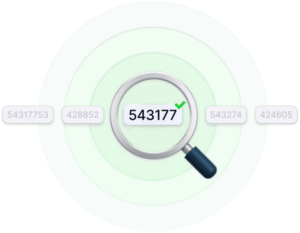
DARKSWIPES also has inbuilt non vbv bin checker you just put the first digits and it scans .check bin first before using it.
Frequently Asked Questions (FAQ)
Q1: How can I use a BIN to make an online payment?
The bank identification number, or BIN, is the first four or six numbers on a credit card. Included are crucial details like the issuing bank, card type (credit or debit), card scheme (Visa or MasterCard), and country of issuance. This data is helpful for fraud detection, transaction routing, and payment flow customization.
What does “non VBV” mean in relation to BINs?
A “Non-VBV” BIN is one that Verified by Visa (VBV) or any other 3D Secure protocol (like Mastercard SecureCode) does not support or need for online transactions performed via that bank. This implies that an extra authentication step won’t be necessary for transactions made with these cards.
Question 3: Is it possible to safely check BINs using client-side JavaScript?
Even while it is standard procedure to extract the BIN and start a lookup using client-side JavaScript for user convenience, it is not secure to reveal important API keys or rely final security decisions only on client-side data. In production, proxy BIN lookup API calls via a secure backend. This guarantees strict server-side validation and safeguards your API keys.
DON’T MISS THIS ALSO.Updated Gift Card Carding Method 2026[ THAT 100% WORKS ]
4. What APIs are best for BIN lookups?
For simple testing, Binlist.net offers a free option. By utilizing services offered by your payment gateway, like Stripe’s Radar, or by leveraging commercial APIs like Abstract API or ipdata.co for production, you may obtain more thorough data, increased reliability, and secure integration possibilities.
Question 5: Is the BIN the only method for figuring out whether a card is fake?
A card’s BIN only provides information on the card’s issuer and general features; it cannot be used to verify the card’s validity for a particular purchase. A non-VBV BIN may suggest a higher risk rather than always indicating that the card is fraudulent. A thorough fraud detection system must integrate BIN data with other signals like IP address, shipping address, transaction history, and device fingerprinting.
What distinguishes a server-side BIN lookup from a client-side one in question 6?
Client-side BIN lookup, which takes place in the user’s browser, provides instant feedback. Although server-side lookup needs your backend to make the API call, it enables you to handle data securely, implement more complicated logic, and protect API keys. The majority of applications that are ready for production have a hybrid design, where the client connects to the server and the server communicates with an external API.
7. How can I safeguard the BIN lookup API keys?
Using a server-side proxy is the best option. Have your backend safely connect to an external BIN lookup API via an endpoint that your client-side JavaScript uses, rather than hardcoding an API key in client-side code.
ARE YOU A BEGINNER?> Carding in 2026: How It Works— and How to Stop It
Q8: Does PCI DSS compliance benefit from verifying non-VBV BINs?
Since client-side BIN checks do not process entire card numbers, they have no appreciable effect on the scope of PCI DSS. Although 3D Secure authentication indirectly strengthens your overall security posture, it may restrict your PCI scope for that portion of the transaction and shift culpability if you utilize BIN data to decide whether to trigger it. Consult a PCI QSA for compliance assistance at all times.
9. What is the impact of BIN lookups on performance?
Direct client lookups can be quick (50–200 ms), but latency is increased by the server’s proxies. This can be mitigated by reducing the number of API calls through debouncing input fields and client-side caching for frequently used BINs.
Question 10: Can the BIN of the card be used to determine its currency?
Currencies linked to the country of issuance are included in certain BIN search APIs. This isn’t necessarily the main billing currency because there are cards with multiple currencies. You should have faith in the currency that the payment channel offers when making a purchase.
READ NEXT.Cardable Sites : A Cybersecurity & E-
Frequently Asked Questions (FAQ)
What is a BIN, and where is it located on a card?
A BIN stands for Bank Identification Number (also known as an IIN, or Issuer Identification Number). It consists of the first 6 to 8 digits of a credit, debit, or prepaid card.
What is the main difference between a VBV BIN and a Non-VBV BIN?
A VBV BIN belongs to a financial institution that enforces Verified by Visa (3D Secure), requiring customers to complete a dynamic verification step (like an SMS OTP). A Non-VBV BIN belongs to an institution that allows transactions to complete directly without prompting the cardholder for secondary authentication.
How do merchants use a Non-VBV BIN checker to stop chargebacks?
When a merchant identifies that an incoming order uses a Non-VBV BIN, they know that the 3D Secure liability shift does not apply. To protect against potential fraud, the merchant can require additional fraud checks, such as Address Verification Service (AVS) matching or manual order review, before shipping goods.
What information can a Non-VBV BIN lookup reveal?
In addition to indicating 3DS/VBV status, a typical BIN lookup reveals:
-
Card Scheme (Visa, Mastercard, Amex)
-
Issuing Bank Name
-
Card Type (Debit, Credit, Prepaid)
-
Card Tier (Classic, Gold, Platinum, Corporate)
-
Country of Issuance
Is using a BIN checker legal?
Yes. BIN lookup tools simply query publicly accessible banking data structures and databases. They do not reveal personal cardholder information, such as names, full 16-digit card numbers, or CVV codes.
READ NEXT. Darkweb Markets
![Non VBV BIN Security in 2026 — What Merchants & [Researchers Need to Know]](https://blackops.is/wp-content/uploads/2026/05/curated-lifestyle-02IrHCNkWNo-unsplash-150x150.webp)





Related Articles

800+ Non VBV Cardable Sites (Non-VBV) Still Working 2026 !
Here is our most recent global list of non-VBV cardable sites. The...
